
Why Your Jaw Clenches
Clenching and grinding, which dentists call bruxism, are often driven by stress and usually happen without you noticing, especially in your sleep. The masseter is one of the strongest muscles in the body for its size, and when it's clenching all night it can cause morning jaw pain, tension headaches that start at the temples, earaches with no ear problem, tooth sensitivity, and cracked or worn teeth. Over time the muscle itself gets bigger, which makes the clenching stronger. A night guard protects the teeth but doesn't stop the muscle from working.
How Botox Helps
Botox injected into the masseter on each side reduces how forcefully the muscle can contract. You can still chew and talk normally, but the muscle can no longer clench with the same intensity. For most people that means noticeably less jaw pain and fewer tension headaches within two weeks, and much less grinding at night. Because the muscle is working less, it also gradually reduces in size, which many people see as a welcome side benefit.
Pricing
| Product | Non-Member | Member |
|---|---|---|
| Botox or Xeomin | $12 per unit | $11 per unit |
| Dysport | $5 per unit | $4 per unit |
Priced per unit. We'll confirm the count and your total before treating you. See Membership Pricing
What to Expect at Home
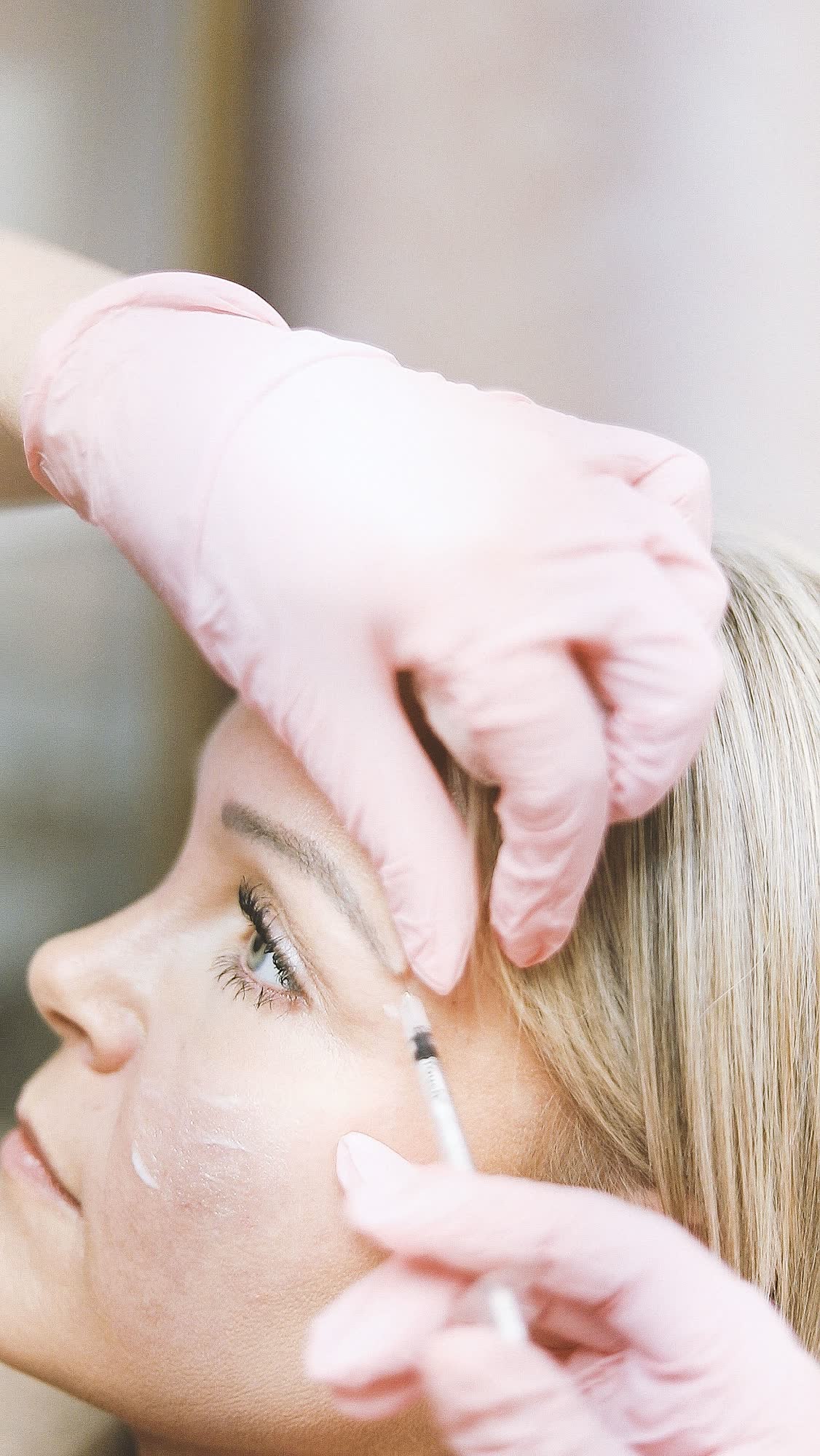
Dr. Bashian or Rachel Fey, PA will feel the muscle while you clench to map where it's thickest, then place several injections on each side. You'll feel some pressure. Afterward, you can go straight back to your day. Relief from clenching starts within a week or two. The full effect is at about four weeks, and it lasts four to six months. With repeated treatment, many people find the muscle relearns a calmer baseline and they can go longer between visits.
Who It's For
Adults who clench or grind, who have jaw pain or tension headaches, or who have been told by their dentist that they're wearing down their teeth. If you have true joint disease in the TMJ, meaning a structural problem with the joint itself rather than muscle tension, Botox may help with the muscular component but won't fix the joint, and we'd encourage you to also see a dentist or oral surgeon. We do not treat anyone who is pregnant or breastfeeding.
Risks and Side Effects
The most common is a feeling of reduced chewing strength for the first few weeks, which shows up mostly with very chewy foods. Rarely, a nearby muscle can be affected and your smile may look slightly different for a few weeks. Any of these resolve on their own. Individual results vary.